Land Acknowledgement
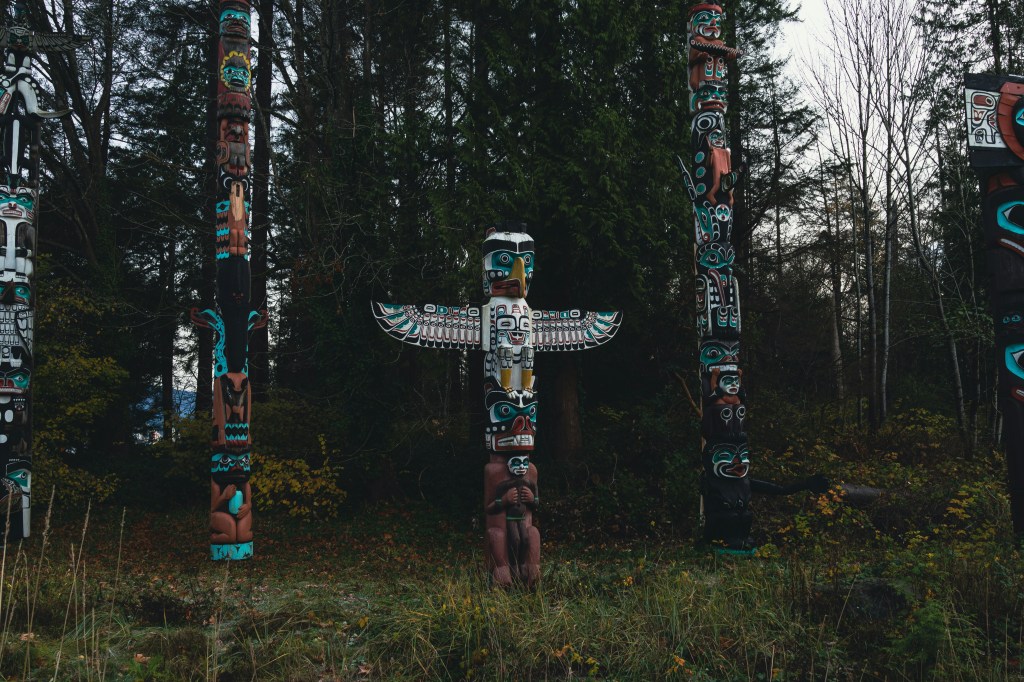
I’ve made my home in Tkaronto (Toronto) of Turtle Island (part of which is also known as Canada).
I’m a second generation settler of Jamaican descent. My parents immigrated to Toronto separately in the 1980s, met and married here and raised three children. My passport is coveted, my citizenship is held in high esteem and the privileges of being a Canadian are not lost on me. I’m very thankful to have spent my entire life in this country and call this land home.
I am also reminded by our anthem that this is not just our home but also “native land.”
In a strange paradox, the land that I call home is land that does not belong to me and land on which its rightful owners have been made to feel unwelcome as they have long been (and arguably still are) the target of genocide and systemic racism. And yet in a strange coincidence, as a descendant of enslaved peoples myself – people who were also forcibly removed from their homes — we share a sad and yet common experience in oppression, colonialism and the scourge of White supremacy. For these reasons, I stand in solidarity with Indigenous peoples, and in particular the Anishnaabe, the Huron Wendat, the Mississaugas of the Credit First Nations and the Haudenosaunee — on whose land I work and live — in their fight for equity, sovereignty and justice.
I share this land acknowledgement as one of my small and humble acts of reconciliation – to not take this land for granted, and to take a moment for pause, reflection and gratitude. I am still figuring out my place in the work of reconciliation, but there is no doubt in my mind that it is work worth doing. Indigenous peoples of Canada deserve justice and we ought to do right by them, with the hopes that this country can live up to its highest ideals of truly being “glorious and free” – for all of its inhabitants.
Colonization Acknowledgement
“I acknowledge that every inch of land that I live on here in the so-called ‘Americas’ is a web of interconnected Indigenous living ecosystems and beings that were and continue to be raped, ravaged and destroyed by colonial ways of living.
“No Indigenous Peoples of Turtle Island invited me to live here, therefore I understand that I am part of the colonial problem in living on this land regardless of when, why or how I or my relatives arrived here. I am complicit.
“I am committed to centering Indigenous voices of the land I occupy – as much as I can, in whatever ways I am able, until I hear from Indigenous Peoples that the colonial genocide is over and total liberation has been achieved.”
(Used with permission from Natasha Sandy, Feminist Psychotherapist)

 Simone Samuels